June 16, 2026
Ceylon vs Cassia Cinnamon
Not all cinnamon is the same. Learn the key differences between cassia and Ceylon cinnamon — from taste and texture to coumarin content and health implications.
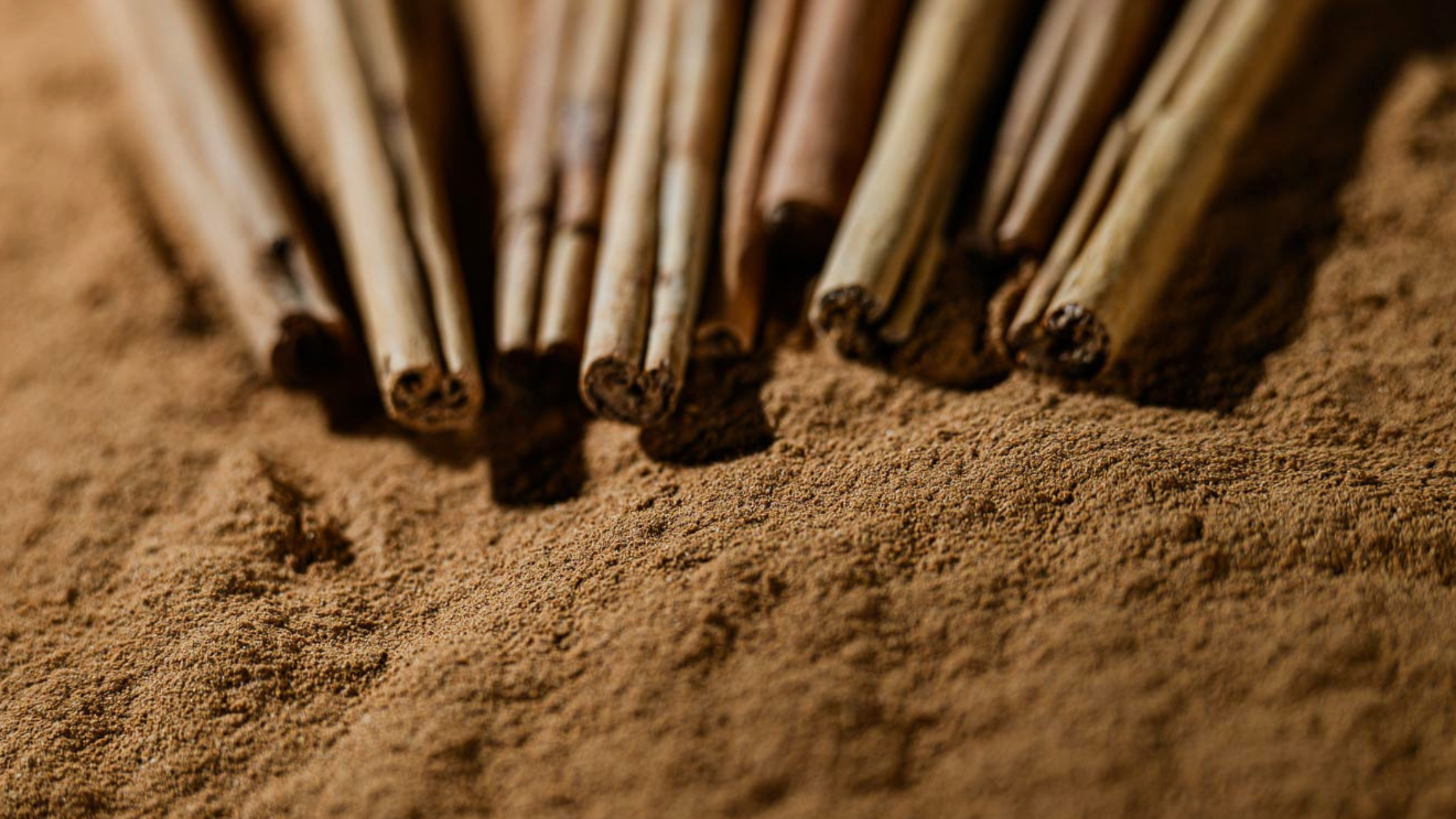

Ceylon vs Cassia Cinnamon
Walk into any supermarket and you'll find cinnamon on the shelves — but what you're almost certainly buying is not true cinnamon. Most store-bought cinnamon is cassia, a related but distinct spice with very different properties to genuine Ceylon cinnamon.
Understanding the difference between cassia and Ceylon cinnamon can help you make better choices for your cooking, your health, and your daily wellness routine.
What Is True Cinnamon (Ceylon Cinnamon)?
True cinnamon refers to Ceylon cinnamon, primarily grown in Sri Lanka. It is widely considered the premium form of cinnamon due to its refined flavour, delicate texture, and lower coumarin content. Ceylon cinnamon has a naturally sweet, mild, and slightly citrus-like taste, making it ideal for both sweet and savoury dishes.
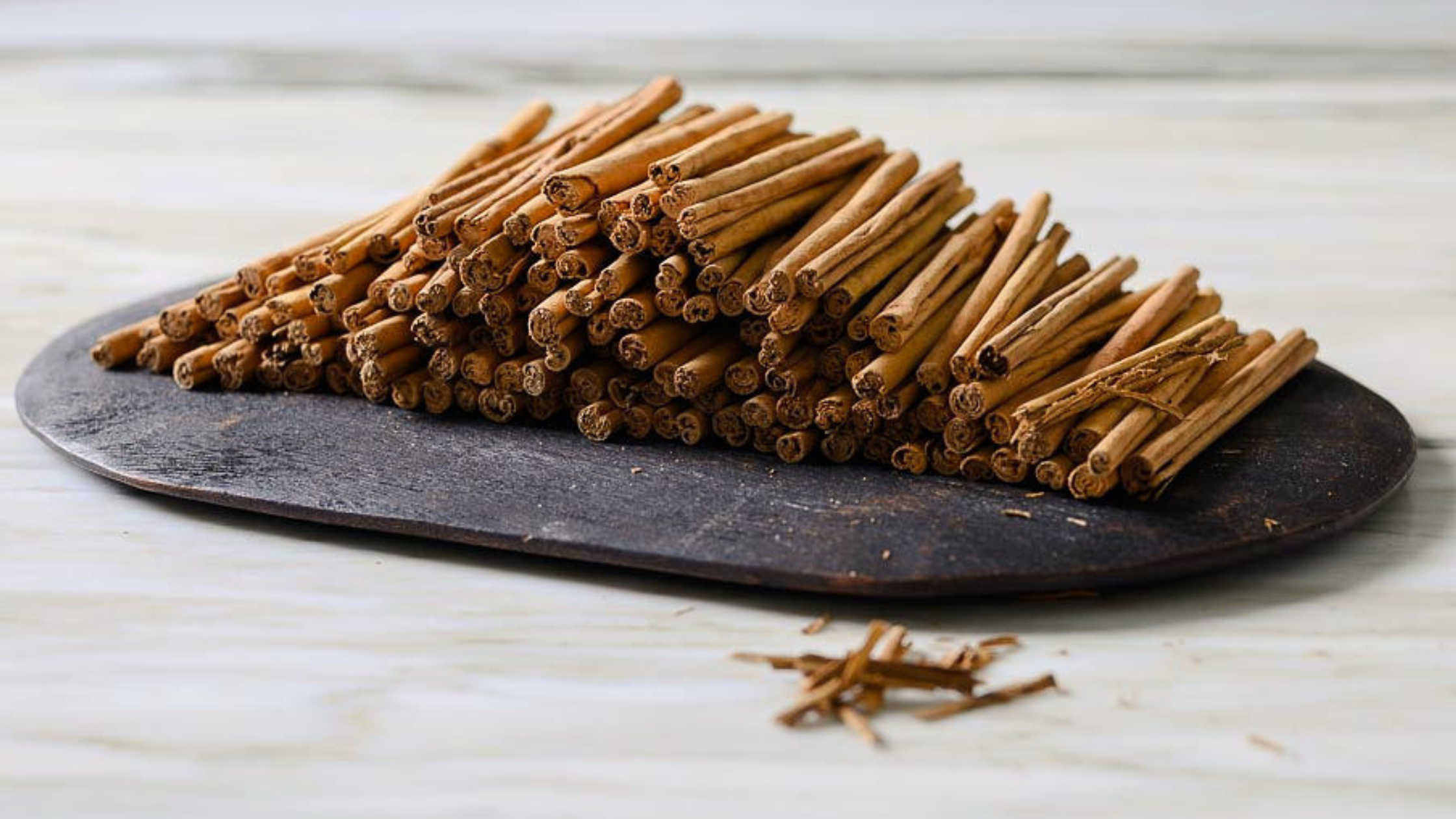
One of the most prized forms of Ceylon cinnamon is Alba cinnamon — the highest grade available. Alba cinnamon sticks are thinner, softer, lighter in colour, and contain the most delicate inner bark of the cinnamon tree. They are highly valued for their superior aroma, smooth flavour profile, and exceptional quality.
What Is Cassia Cinnamon?
Cassia cinnamon is the more common variety found in supermarkets and is typically sourced from China, Indonesia, or Vietnam. It has a darker colour, thicker bark, and a stronger, spicier flavour. While widely used due to its lower cost and bold taste, cassia differs substantially from Ceylon cinnamon in composition and long-term safety.
Appearance and Texture
The physical differences between Ceylon cinnamon and cassia are quite noticeable:
- Ceylon cinnamon consists of many thin, delicate layers rolled into soft, multi-layered quills that can be easily broken by hand.
- Cassia cinnamon is made from a single thick layer of bark, making it much harder, rougher, and more difficult to grind.
If you can snap a cinnamon stick easily — it's likely Ceylon. If it feels like wood, it's almost certainly cassia.
Health Implications: Coumarin Content
One of the most important distinctions between the two varieties is their coumarin content. Coumarin is a naturally occurring compound that, when consumed in large amounts over time, may contribute to liver damage and other health concerns.
Cassia cinnamon contains significantly higher levels of coumarin compared to Ceylon cinnamon. For individuals who consume cinnamon regularly — for blood sugar support, antioxidant intake, or anti-inflammatory purposes — Ceylon cinnamon is generally considered the safer option.
An 'organic cinnamon' label does not mean the product is Ceylon. Always check the variety before buying.
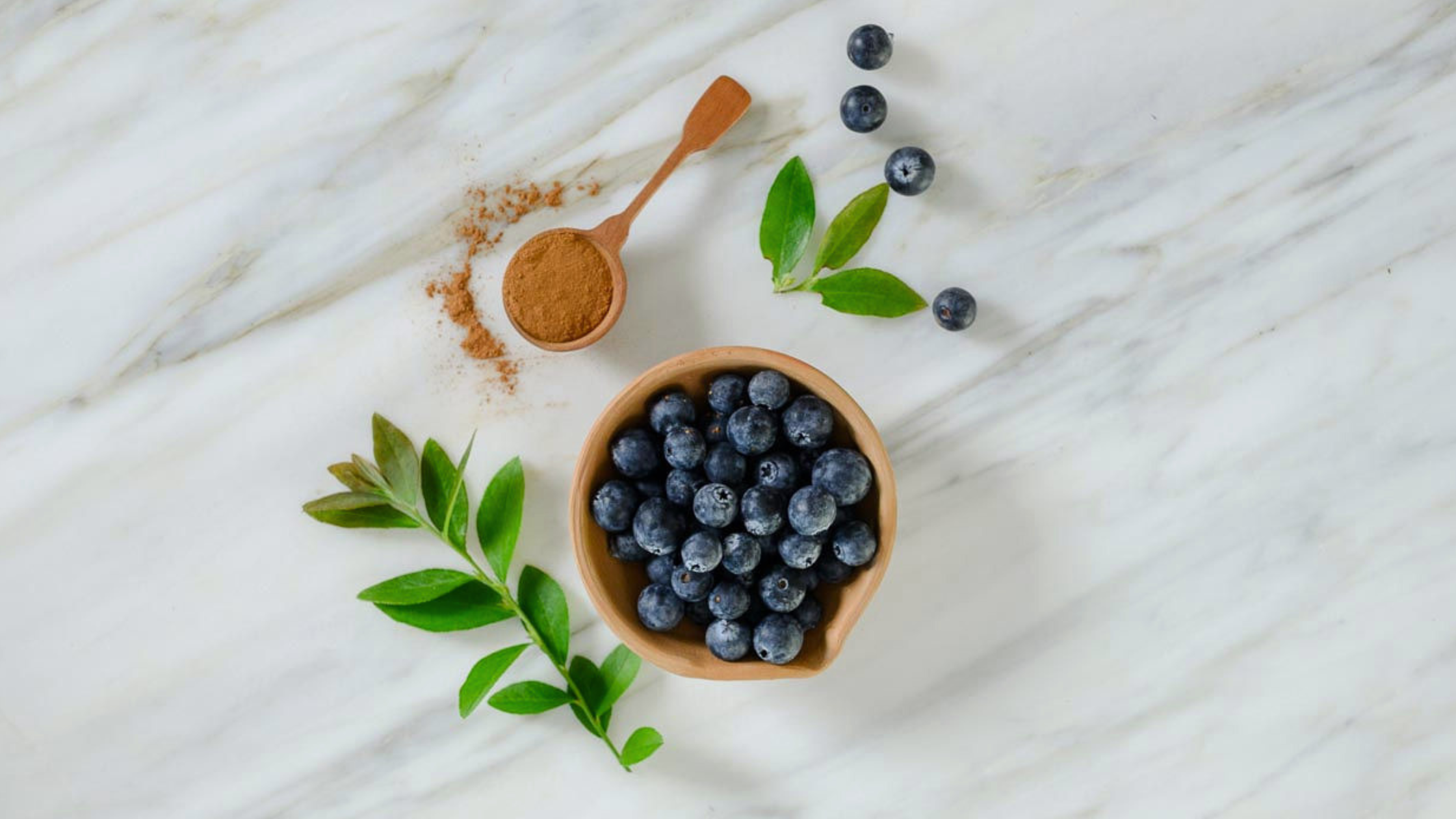
Ceylon cinnamon provides many of the same beneficial properties as cassia, including antioxidant activity, anti-inflammatory effects, and potential support for healthy blood sugar levels — but with substantially lower coumarin exposure.
Culinary Uses
Both varieties can be used in cooking and baking, but their flavour profiles suit different applications:
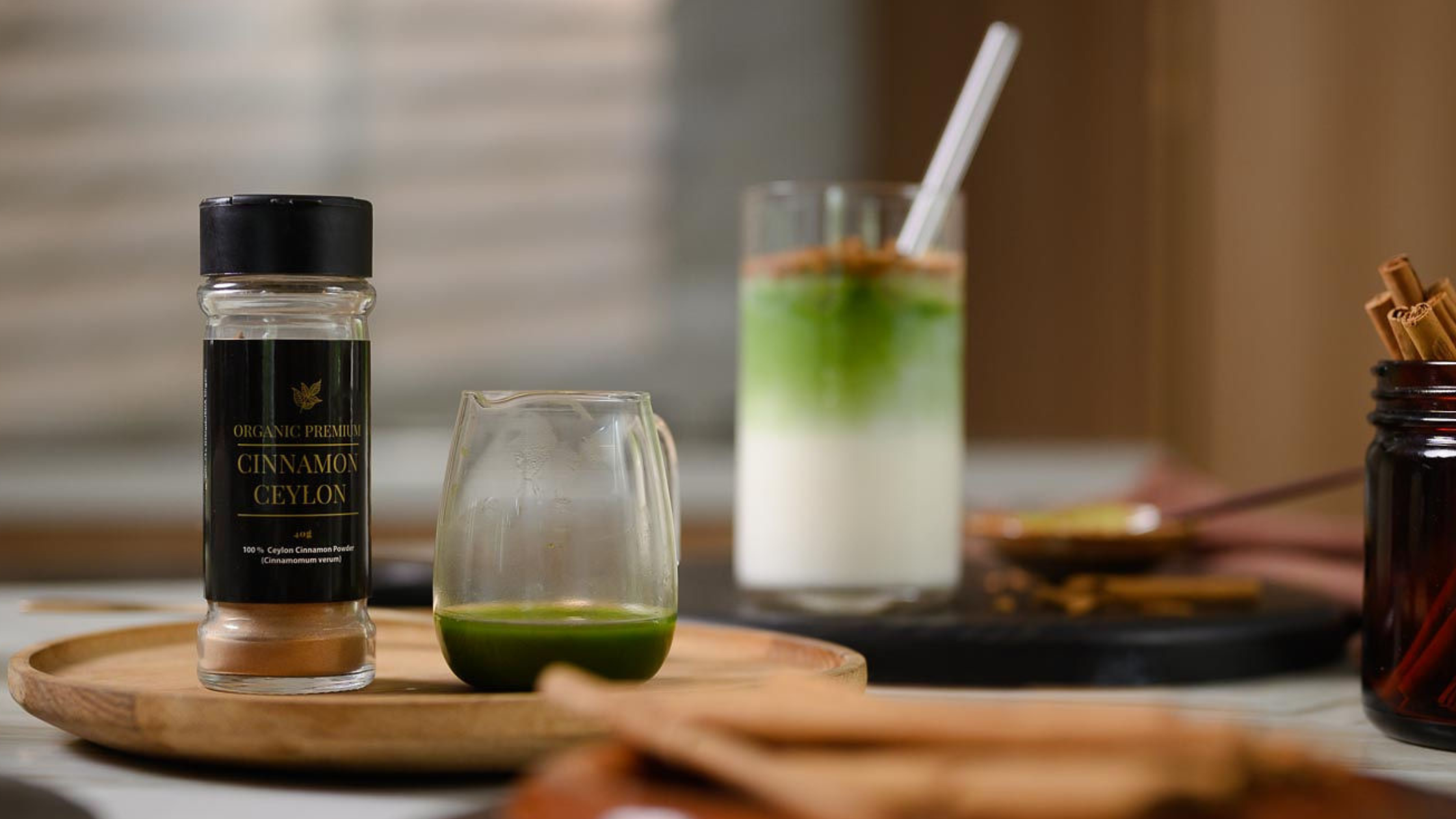
- Ceylon cinnamon works beautifully in desserts, teas, delicate pastries, smoothies, and gourmet recipes where subtle sweetness is preferred.
- Cassia cinnamon is commonly used in stronger-flavoured baked goods, spice blends, and commercial food production where bold flavour is desirable.
Choosing the Right Cinnamon
When selecting cinnamon, quality and intended use matter. For occasional cooking, cassia may be suitable. However, for daily consumption, supplementation, or premium culinary experiences, Ceylon cinnamon — especially high-grade Alba cinnamon — is often the preferred choice due to its superior flavour, aroma, and safety profile.
By understanding the differences between cassia and Ceylon cinnamon, consumers can enjoy the rich history and health benefits of this ancient spice while making choices that support long-term wellbeing.
Ready to Make the Switch?
At Cinnamon Ceylon, we stock only premium organic Ceylon cinnamon — including the finest Alba grade quills. If you've been buying standard supermarket cinnamon, there's a good chance you've never experienced what true cinnamon actually tastes like.
Visit our collection to explore our full range.
This content is for informational purposes only and is not intended as medical advice. Always consult a qualified healthcare professional before making changes to your diet or health routine.
Interested in elevating your senses?
Have a question, a wholesale enquiry, or simply want to know more? We're here.
Get in TouchOther interesting posts

Experience the Difference
Discover why discerning chefs and wellness enthusiasts choose Alba Cinnamon Ceylon