August 31, 2026
Don't Get Fooled by “Organic” Labels When Buying Cinnamon
Discover why "organic" tells you how cinnamon was grown, not what it is. Learn the order that actually matters: species first, then organic, then grade.
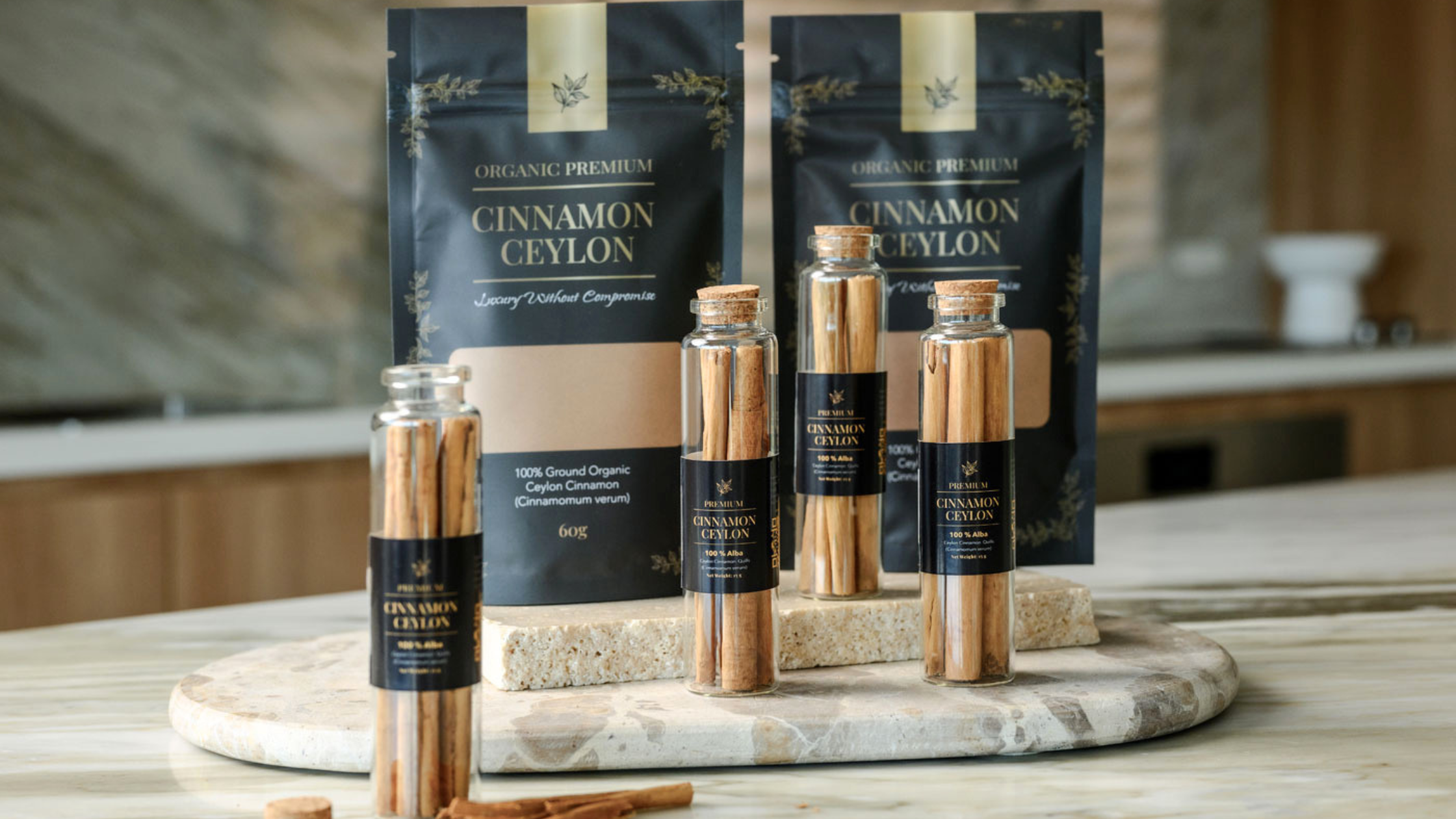

Start With the Species, Not the Sticker
When people shop for cinnamon with health in mind, they tend to reach for the organic option first. It's a reasonable instinct, but it puts the three things that actually determine quality in the wrong order. Here's the order we'd suggest instead:
1. Type of cinnamon. Is it Ceylon, or is it cassia?
2. Organic status. How was it grown?
3. Grade. How fine is the quill?
Get the first one wrong and the other two can't make up for it.
First, Make Sure It's Actually Ceylon
The most important step is confirming that what you're holding is true cinnamon, which is to say Ceylon cinnamon, rather than the far more common cassia variety.
Ceylon cinnamon is:
• Milder, sweeter and more delicate in flavour
• Lower in coumarin, a naturally occurring compound found in the bark
• Generally considered better suited to regular, everyday use
Cassia, which dominates most supermarket shelves, contains significantly higher levels of coumarin. In large amounts over a long period, coumarin may pose risks to liver health in susceptible individuals. That's the quiet catch behind a lot of well-intentioned cinnamon buying: a jar labelled organic cinnamon is very often still cassia, unless the species is stated outright.
Organic Doesn't Mean Ceylon
Organic certification describes farming practice. It tells you about soil, pesticides and growing standards. It says nothing at all about the species inside the packet, or about its coumarin content.
So an organic cinnamon product may still be:
• Cassia rather than Ceylon
• High in coumarin
• Less suited to frequent or daily use
None of that makes organic certification worthless. It simply means the label is answering a different question from the one you're asking.
Why Ceylon Is the Better Choice for Daily Use
Ceylon cinnamon is the one favoured in nutritional and wellness contexts, and the reasons are straight forward:
• Its coumarin content is much lower than cassia's
• It can be used more comfortably day after day
• It sits better alongside the long-term metabolic and antioxidant benefits often associated with cinnamon
If health is what you're after, species comes first. Everything else is refinement.
The Better Baseline: Organic Ceylon Cinnamon
Once you've confirmed the cinnamon is Ceylon, organic certification becomes a genuinely meaningful bonus rather than a distraction. Organic Ceylon cinnamon gives you three things at once:
• The correct species
• A lower coumarin profile
• Cleaner agricultural standards behind it
That combination of biological quality and farming integrity is where real value starts.
The Highest Grade: Alba
Within Ceylon cinnamon there are grades, determined by the thickness of the quill, its colour and its oil content. The finest of them is Alba.
Alba quills are:
• Very thin, pale and finely rolled
• Strong in aroma, refined in flavour
• Processed to premium standards
Organic Ceylon Alba is, in short, the top of the tree. It's the grade we've built Cinnamon Ceylon around, because once you've tasted the difference it's difficult to go back.
The Mistake Most People Make
The common error is simple: reaching for organic first, without ever checking whether the cinnamon is Ceylon or cassia. It usually leads to one of three outcomes.
• Paying a premium for cassia because it carries an organic label
• Assuming health benefits that may not apply in the same way
• Overlooking coumarin exposure when using cinnamon heavily
A Simple Rule for Buying Cinnamon
Next time you're standing in front of the spice shelf, work through it in this order:
1. Is it Ceylon cinnamon? Non-negotiable for health-focused use.
2. Is it organic? A good additional marker of quality.
3. Is it Alba grade? The premium option withinCeylon.
If it fails the first question, the other two matter far less.
Frequently Asked Questions
Is organic cinnamon bad for you?
Not at all. Organic certification is a positive thing. The point is that it doesn't tell you which species you're buying, and species is what determines coumarin content.
How can I tell Ceylon from cassia by looking?
Ceylon quills are pale tan, thin and brittle, made of many fine layers rolled together like a cigar. Cassia is darker, thicker and hard, usually a single curled piece of bark. Ground cinnamon is much harder to judge, which is why the label matters.
Will the packet tell me which species it is?
Often not. Both species are commonly sold under the single word cinnamon, so unless a product states Ceylon or Cinnamomum verum on the label, it's reasonable to assume it's cassia.
How much cinnamon is too much?
It depends on the species and the individual. Ceylon's much lower coumarin content is precisely why it suits daily use. If you have a medical condition or take regular medication, consult your health care provider.
Choosing With Cinnamon Ceylon
Everything we sell is organic Ceylon cinnamon, hand-rolled in Sri Lanka, and graded Alba. That's not a marketing position so much as the only version worth selling. You shouldn't need to decode a label to know what you're getting.
Explore the collection, or get in touch if you'd like help choosing where to start.
This content is for informational purposes only and is not intended as medical advice. Always consult a qualified healthcare professional before making changes to your diet or health routine.
Interested in elevating your senses?
Have a question, a wholesale enquiry, or simply want to know more? We're here.
Get in TouchOther interesting posts
Ceylon Cinnamon Tea Recipe (Hot or Iced)
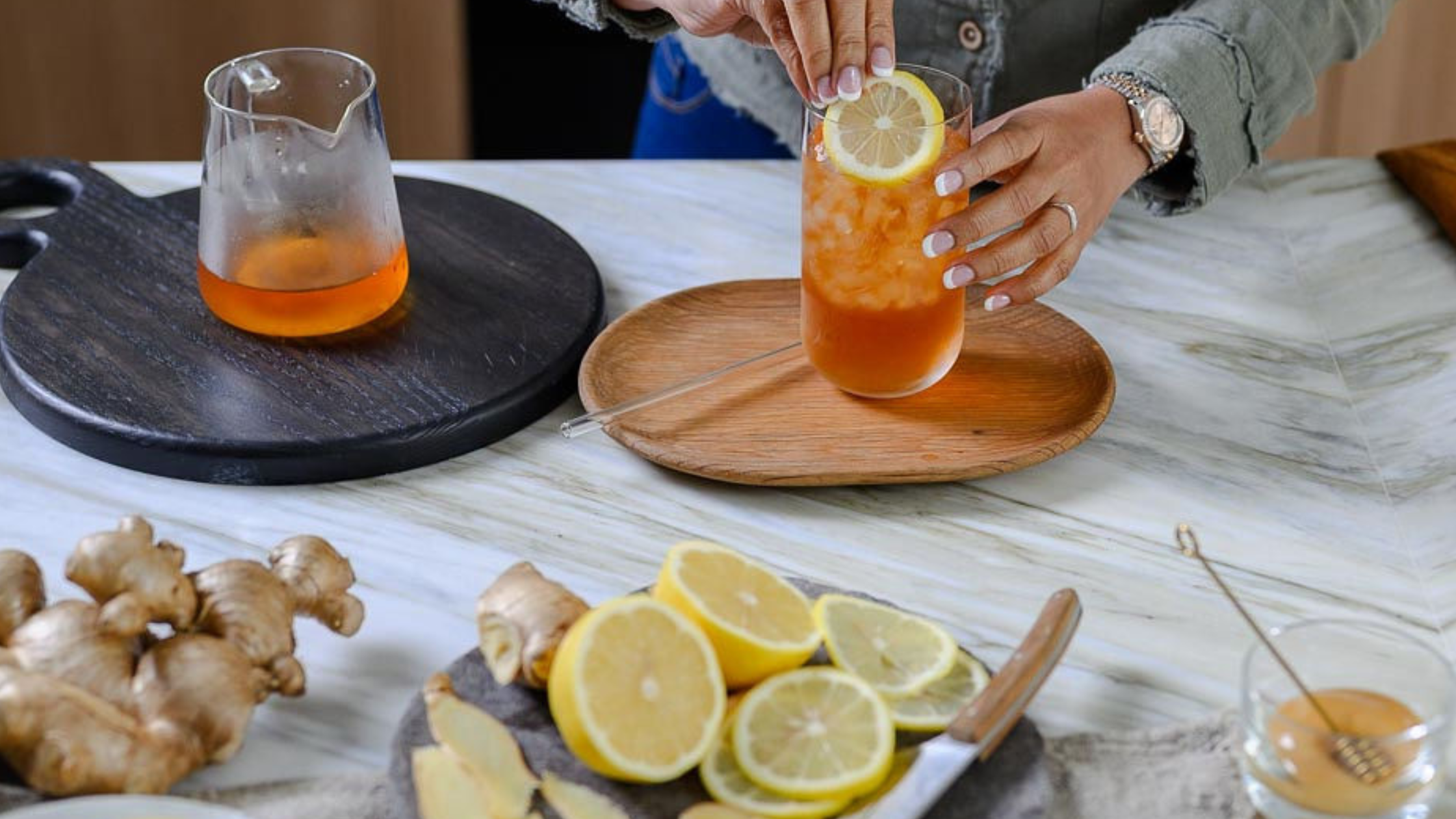
Makes ~1 litre | Simmer ~30 minutes | Chill overnight (optional) Water and quills, simmered slowly until the liquid turns a warm amber-honey colour. No sugar, no calories, no caffeine unless you add it. Just a gently spiced cup that's as good iced in summer as it is hot in winter. It's the simplest way there is to bring true Ceylon cinnamon into your day.

Experience the Difference
Discover why discerning chefs and wellness enthusiasts choose Alba Cinnamon Ceylon