November 20, 2026
What does Ceylon actually mean?
You will see the word on tea, on spice jars and on our own labels. Most people read it as a style, or a grade, or a brand. It is none of those. Ceylon is a place, and the word carries more weight than almost any other on a spice shelf.

Ceylon is a country that changed its name
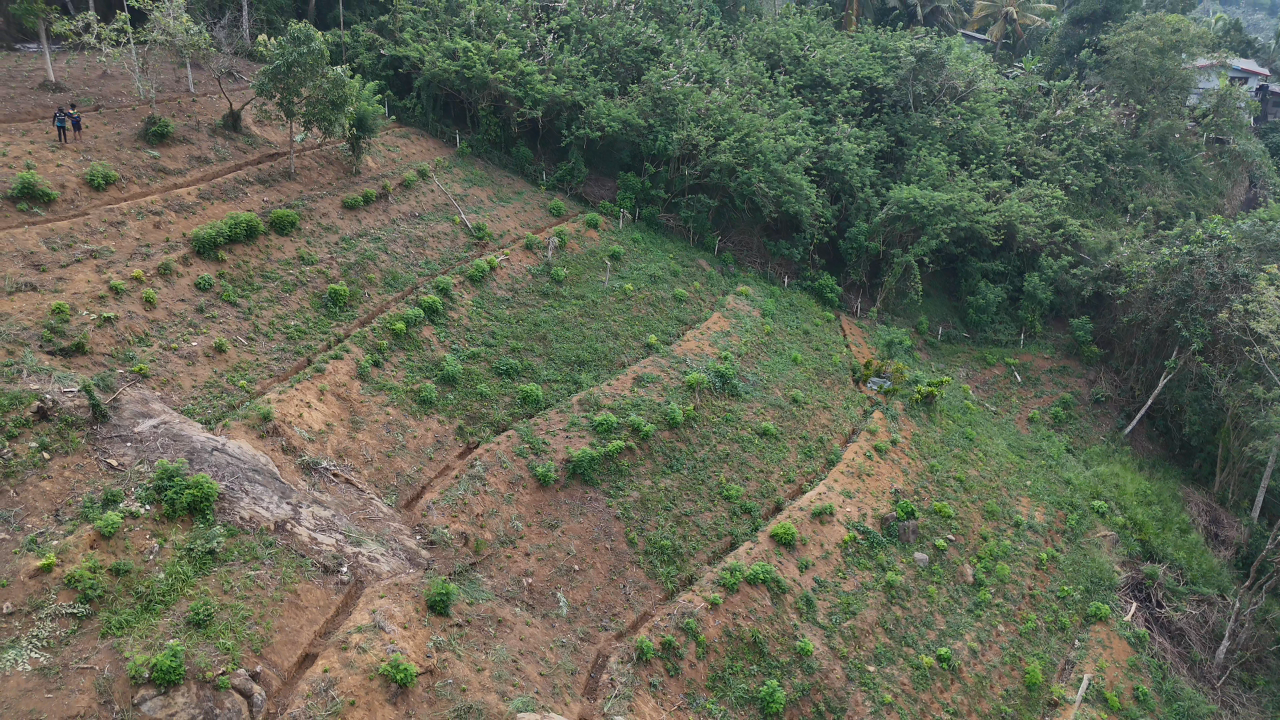
Ceylon was the name European mapmakers gave to the island now called Sri Lanka. The country officially became Sri Lanka in 1972, and as Britannica notes, Ceylon is "a name still used occasionally for trade purposes".
Cinnamon is one of those trade purposes. The spice had been traded under the name for so long, and so successfully, that the name stayed on the product after it left the map.
In cinnamon, Ceylon means a species
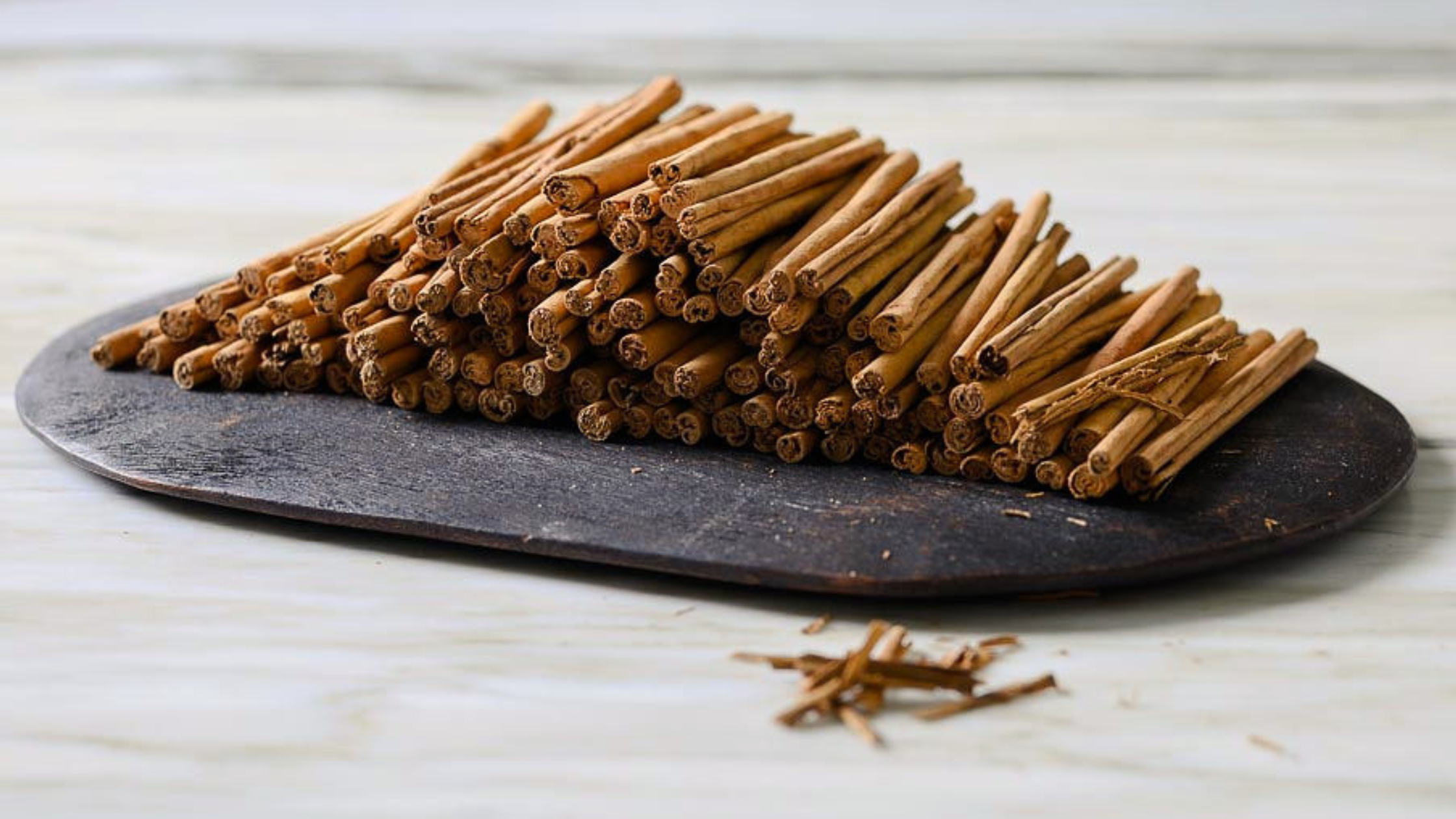
This is the part worth holding on to. Ceylon cinnamon is not a region, a grade or a house style. It is a species: Cinnamomum verum, which translates as true cinnamon.
What is sold as cinnamon almost everywhere else is cassia, a different species grown mostly in China, Indonesia and Vietnam. Cassia is cheaper, easier to produce at volume, and much higher in coumarin, a compound found naturally in the bark. It is darker, harsher and thicker. It is also what fills most supermarket jars.
So when a label says Ceylon, it is making a claim about what is inside the packet, not about where the brand is based or how refined the blend is.
The name is protected, and that is new
In February 2022 the European Union entered Ceylon cinnamon into its register of protected designations of origin and protected geographical indications, under Commission Implementing Regulation (EU) 2022/144. It holds Protected Geographical Indication status there, covering both the spice and its essential oils, with the product recognised as originating in Sri Lanka.
Sri Lanka's Export Development Board also holds a certification mark for the Ceylon Cinnamon logo, registered in Sri Lanka under its Intellectual Property Act, which it licenses to producers.
Both of these exist for one reason. The name was worth enough to be worth misusing.
What that means when you are buying in Australia
That European protection does not follow the jar onto an Australian shelf. So here, the name is a starting point rather than a guarantee, and three things on the pack will tell you more than the word Ceylon by itself.
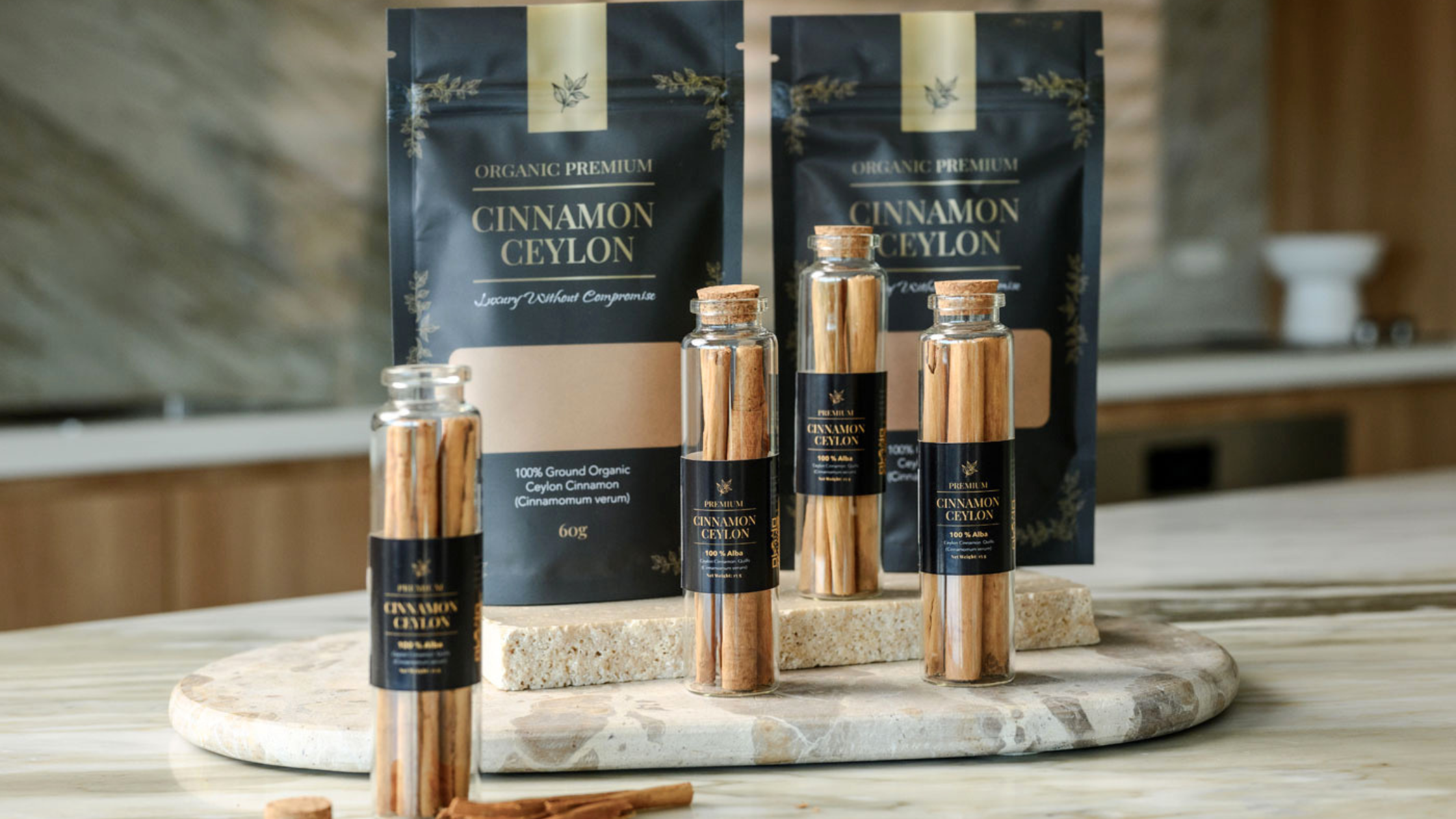
The species. Look for Cinnamomum verum, sometimes written as Cinnamomum zeylanicum. If a pack will not name the species anywhere, that silence is usually the answer.
The country of origin. True cinnamon is native to Sri Lanka and grown commercially in a handful of other places. Origin on its own does not settle the species question, which is why you want both.
The grade. Ceylon cinnamon is graded, from Alba at the finest end down through C5 and C4. Most of what reaches the market sits well below Alba, because lower grades are cheaper and faster to produce. A brand that does not mention grade is usually not selling the top of it.
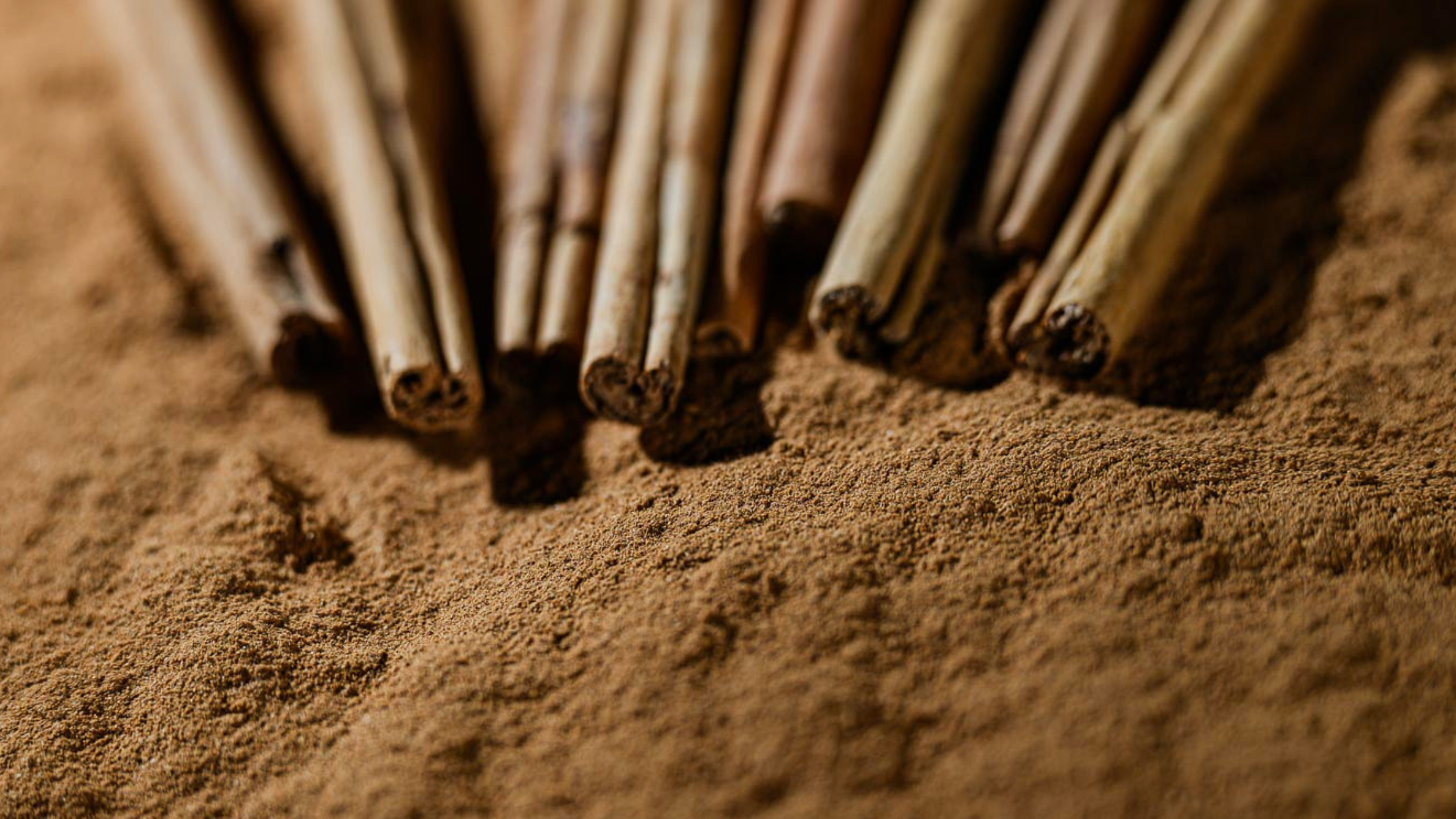
And if the pack tells you none of these things, there is a test you can run in your kitchen. True cinnamon is made of many fine layers rolled together, so a quill snaps easily in the hand. Cassia is a single thick slab of bark. If it feels like a piece of wood, it is.
Why we use the word
Our cinnamon comes from our family's plantation in Sri Lanka, and it is Alba grade, hand rolled, the way true cinnamon has always been made. The word Ceylon on our jars is doing exactly what it was coined to do: telling you what is inside, and where it is from.
Everything else, we would rather show you. Our lab results and certifications are available to anyone who asks.
Interested in elevating your senses?
Have a question, a wholesale enquiry, or simply want to know more? We're here.
Get in TouchOther interesting posts

Experience the Difference
Discover why discerning chefs and wellness enthusiasts choose Alba Cinnamon Ceylon